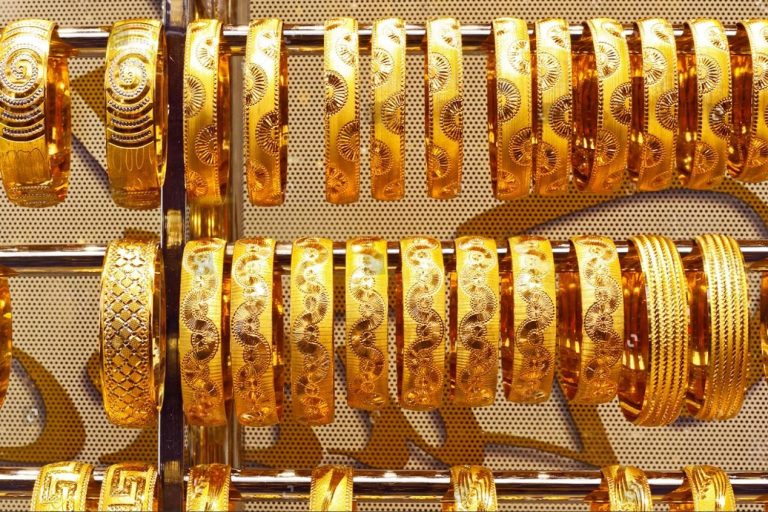
Anyone who lives in Dubai for long enough ends up with more jewelry than they planned for. Eid gifts, wedding sets from the Gold Souk, a few inherited pieces from family back home, plus everyday rings and bangles you actually wear. Once a collection grows past a couple of small boxes, a multi-drawer safe stops being a luxury and starts being the only sensible way to keep everything organized, protected and easy to find when you need it.
This guide is written for UAE residents living in apartments and villas. It covers what kinds of safes exist, what the security ratings actually mean, whether home safes are even legal here (short answer: yes), how to fix one properly inside an apartment or villa, and how to lay out rings, bangles, necklaces and gold sets inside so you can find a piece in seconds instead of digging through tangled chains.
Are Home Safes Legal in Dubai and the UAE?
There is no UAE law preventing private individuals from owning a safe at home. Residents are free to install personal safes in apartments and villas to store cash, jewelry, passports and documents. What is regulated is the commercial side: companies that sell, install or service safes generally need a trade licence, and certain heavy-duty safes used by jewellers or money exchanges fall under additional rules from the Dubai Police and the Central Bank.
For homeowners the practical points are simpler. Tenants should check their lease before drilling into walls or floors, and villa owners with a community management body (in places like Arabian Ranches, Jumeirah Park or Mirdif Hills) may need permission for any structural fixing. It is also worth telling your home insurer that you have installed a safe, because most policies in the UAE cap jewelry cover at a low figure unless the items are kept in a rated safe and declared individually.
Safe Types and Security Standards You Actually Need to Know
Walk into any safe showroom in Dubai and you will see dozens of models. Most fall into a few clear categories, and the labels on the door tell you almost everything that matters.
- Fire safes protect paper and digital media from heat but offer limited burglary resistance. Fine for documents, not enough on their own for gold.
- Burglary safes are rated against forced entry. Look for European EN 1143-1 grades (Grade 0 up to Grade VI) or the older UL RSC rating from the US.
- Composite safes combine fire and burglary protection in one body, which is what most UAE families actually want at home.
- Jewelry safes are a specialist sub-category with fitted interiors: velvet-lined drawers, ring rolls, bangle rods and watch winders built in.
As a rough rule, insurers in the UAE will only give meaningful jewelry cover against safes that are at least EN 1143-1 Grade I or higher. If your collection is worth more than a few hundred thousand dirhams, Grade II or III is the realistic minimum, and the safe should be anchored to the building, not just sitting on the floor.
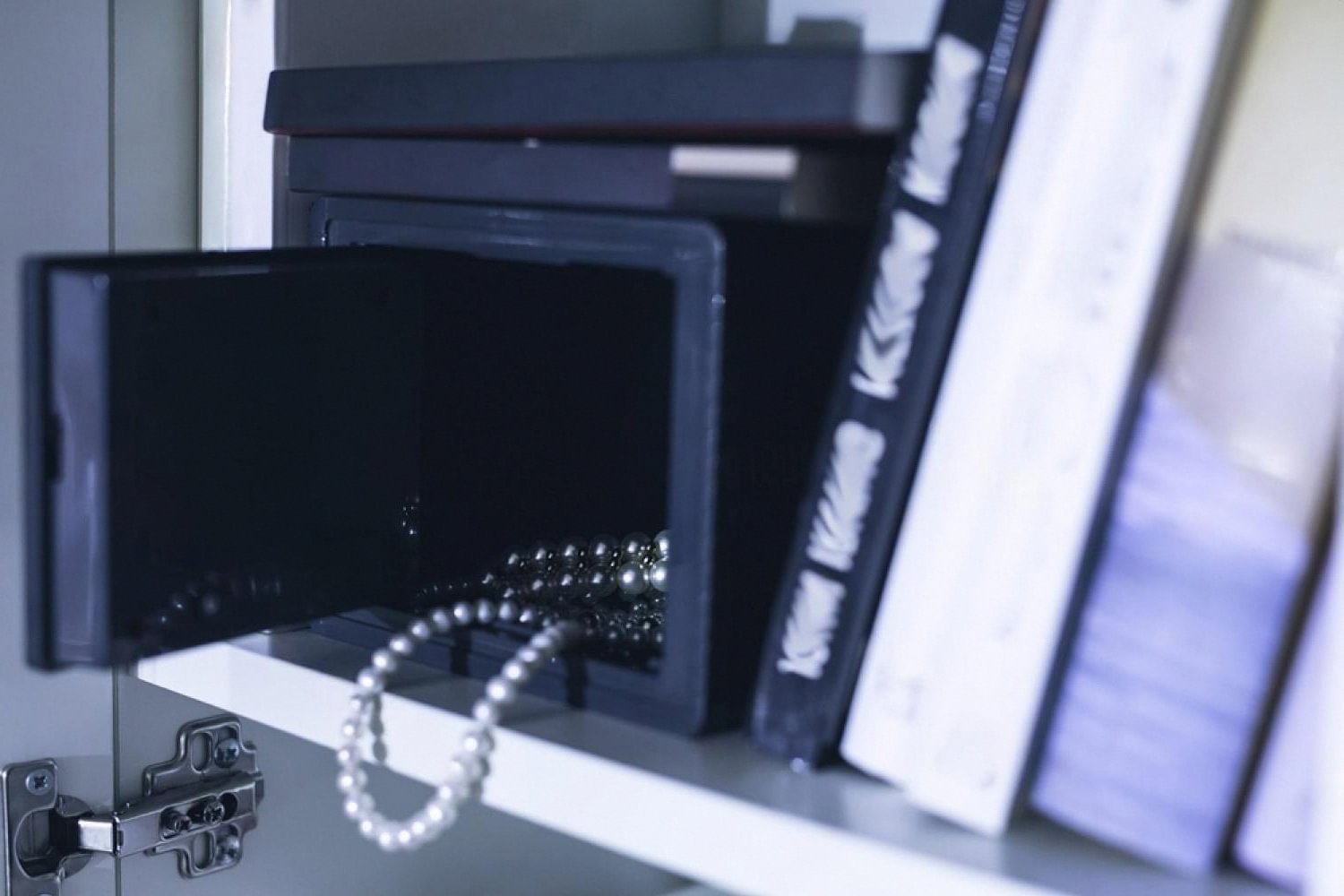
Why a Multi-Drawer Safe Beats a Single Cavity
A single-cavity safe forces you to pile everything together. Necklaces tangle, ring boxes get crushed under heavier pieces, and you end up keeping a separate “daily” box outside the safe just to avoid the hassle. A multi-drawer safe solves this by giving each category its own home.
Separation
Gold, diamond, pearl and costume pieces each get their own drawer, so soft stones do not scratch against harder ones.
Visibility
Shallow drawers let you see every piece at once instead of digging. You actually wear more of what you own.
Speed
Getting ready for a wedding or an Eid lunch takes minutes, not half an hour of untangling chains.
Installing a Safe in a Dubai Apartment or Villa
A safe that is not fixed down is a safe that can be carried away. Even a 60 kg model fits into a wheelie bin, which is exactly how opportunistic thieves move them. Anchoring is the single biggest upgrade you can give any home safe.
In an apartment: most Dubai apartments have hollow-block or concrete walls and concrete slab floors. Bolt the safe through its base into the slab using chemical anchors, not just expansion bolts, because the slab is dense and unforgiving. Place it inside a fitted wardrobe, the lower part of a walk-in closet, or a built-in storage cupboard, away from external walls and windows. Avoid balconies and bathrooms (humidity ruins hinges and tarnishes silver).
In a villa: you have more options. A purpose-built niche in a dressing room or under a staircase, with the safe recessed and anchored both to the floor and the rear wall, is the gold standard. Ground-floor installations should be inside the main house, not in an external store or driver’s room. If you have a second floor, that is usually safer than ground level.
- Pick the spot first, the safe second. Measure depth, height and door swing before you buy.
- Check the floor. Wooden parquet over concrete is fine; raised access floors are not.
- Use a licensed installer. Most reputable UAE dealers include anchoring in the price.
- Hide the cables. Biometric and Wi-Fi safes need power; route the cable inside the cabinetry.
- Keep it discreet. Domestic staff, delivery people and guests should not know where the safe lives.
How to Organize the Drawers, Piece by Piece
Once the safe is fixed and the lining is in place, the fun part begins. Think of the drawers in zones: top drawers for what you wear weekly, middle drawers for occasion pieces, and the deepest drawers for heavy gold sets and heirlooms you only bring out for weddings.
Rings are the most awkward category because they are tiny and easy to lose. Use a shallow drawer with a slotted ring roll, or place an extra small ring box inside one drawer with foam slots. Keep diamond and gemstone rings in their original boxes so the stones do not knock against each other. Separate yellow gold from white gold and platinum to avoid micro-scratches.
Bangles and bracelets are best stored vertically on a bangle rod or T-stand. Most quality jewelry safes include a horizontal rod inside one drawer; if yours does not, a felt-covered bangle holder fits neatly inside a standard drawer. Slide bangles on by size and metal type, thin Indian-style gold on one rod, chunkier diamond bracelets on another. This stops them from rubbing and keeps the pairs together.
Necklaces and chains should hang, never coil. A drawer with hooks along the back wall, or a pull-out necklace panel, prevents the tangling that makes you avoid wearing them. Long pieces on top hooks, chokers below.
Earrings work well in a velvet tray with paired slots. Studs go in one tray, hoops on a small bar, and statement earrings flat in their original boxes.
Gold sets (necklace, earrings, ring, bangles together) deserve their own drawer. Keep each set in its original pouch or a labelled velvet bag so you can grab the whole set in one go for a wedding or Eid.
- Add silica gel sachets to fight Dubai humidity, especially during summer.
- Photograph every piece and store the images plus receipts in a separate cloud folder for insurance.
- Keep a small notebook or digital list inside the safe noting which set is which.
- Rotate seasonally: heavy gold to the back in summer, lighter daily pieces to the front.
Custom Jewelry Safes in Dubai
Off-the-shelf safes work for most collections, but if you have an unusual space (a niche under the stairs, a tight wardrobe corner, an awkward majlis cupboard) or an unusually large collection, a custom build is worth considering. A custom jewelry safe lets you specify the exact drawer count, drawer depth, ring-roll capacity, bangle-rod length and watch-winder slots.
For UAE residents, a local option is Argus Security, who supply and install high-end pieces including a jewelry safe with drawers built by Italian maker Agresti. They can match the interior to the size of your collection and the exterior finish to the rest of the dressing room, which matters if the safe is going to live in a visible part of a walk-in closet.
Whether you go custom or off-the-shelf, ask three questions before paying: what is the security grade, who does the anchoring, and what is the after-sales service if the lock fails. A jewelry safe is a 20-year purchase; the cheapest one is rarely the right one.
Looking After the Safe and What’s Inside
A multi-drawer safe is low-maintenance but not no-maintenance. Once a year, replace the silica gel, wipe the velvet linings with a dry microfibre cloth, test the lock mechanism, and change the batteries on any electronic keypad even if it still works. If the safe has a biometric scanner, re-register your fingerprints occasionally so a small skin change does not lock you out before a flight.
Keep the override key off-site, ideally in a bank deposit box or with a trusted family member, never inside the same apartment as the safe. Update your insurance valuation every two or three years; gold prices in the UAE move enough that an old valuation can leave you under-insured by 30 percent or more.
Frequently asked questions
Is it legal to keep a safe at home in Dubai?
Yes. There is no UAE law preventing private residents from owning a home safe for jewelry, cash or documents. The regulations that exist mostly cover commercial sellers and installers, and specialist safes used by businesses like jewellers and money exchanges. Tenants should check their lease before drilling for anchors, and homeowners in gated communities may need approval from the community management for structural fixing.
What security grade should a jewelry safe have in the UAE?
For a modest collection, an EN 1143-1 Grade 0 or Grade I burglary-rated safe is a reasonable starting point. For collections worth several hundred thousand dirhams or more, Grade II or III is more appropriate, and the safe should be anchored to the building.
Check your home insurance policy too: most UAE insurers cap jewelry cover unless items are kept in a rated, anchored safe and declared individually with valuations.
Where is the best place to install a safe in a Dubai apartment?
Inside a fitted wardrobe or built-in closet, anchored through the base into the concrete slab using chemical anchors. Keep it away from external walls, balconies and bathrooms, where humidity and easy access create problems. A bedroom closet is usually a better location than a study or living room because thieves spend less time there during a quick break-in.
How do I stop my gold bangles from scratching each other inside the safe?
Store bangles vertically on a felt-covered rod or T-stand rather than stacking them flat. Group them by metal type so 22k gold pieces are not pressed against harder white gold or platinum. Most quality multi-drawer jewelry safes include a bangle rod in one drawer; if yours does not, a standalone bangle holder fits inside a standard drawer.
Can I order a custom jewelry safe in Dubai?
Yes. Several Dubai dealers offer made-to-order safes with custom drawer counts, ring rolls, necklace hooks, bangle rods and watch winders. Argus Security, for example, supplies Agresti jewelry safes that can be configured to match the size of your collection and the finish of your dressing room. Custom safes take longer to deliver (usually several weeks) but suit unusual spaces and larger collections better than off-the-shelf models.
How do I protect jewelry from Dubai humidity inside the safe?
Place silica gel sachets in each drawer and replace them once a year, or more often during the humid summer months. Avoid storing pearls and certain organic gems in completely airtight conditions for long periods; they need some moisture. Wipe gold pieces with a dry microfibre cloth before returning them to the drawer, since perfume and sweat residue accelerate tarnish on the clasps.
Should I tell my insurer about my jewelry safe?
Yes, and you should also provide photographs, receipts and recent valuations for each significant piece. Most UAE home contents policies include a low default sub-limit for jewelry. To raise that limit meaningfully, insurers usually require the items to be listed individually and kept in a rated safe when not being worn. Update the valuations every two to three years to keep pace with gold prices.